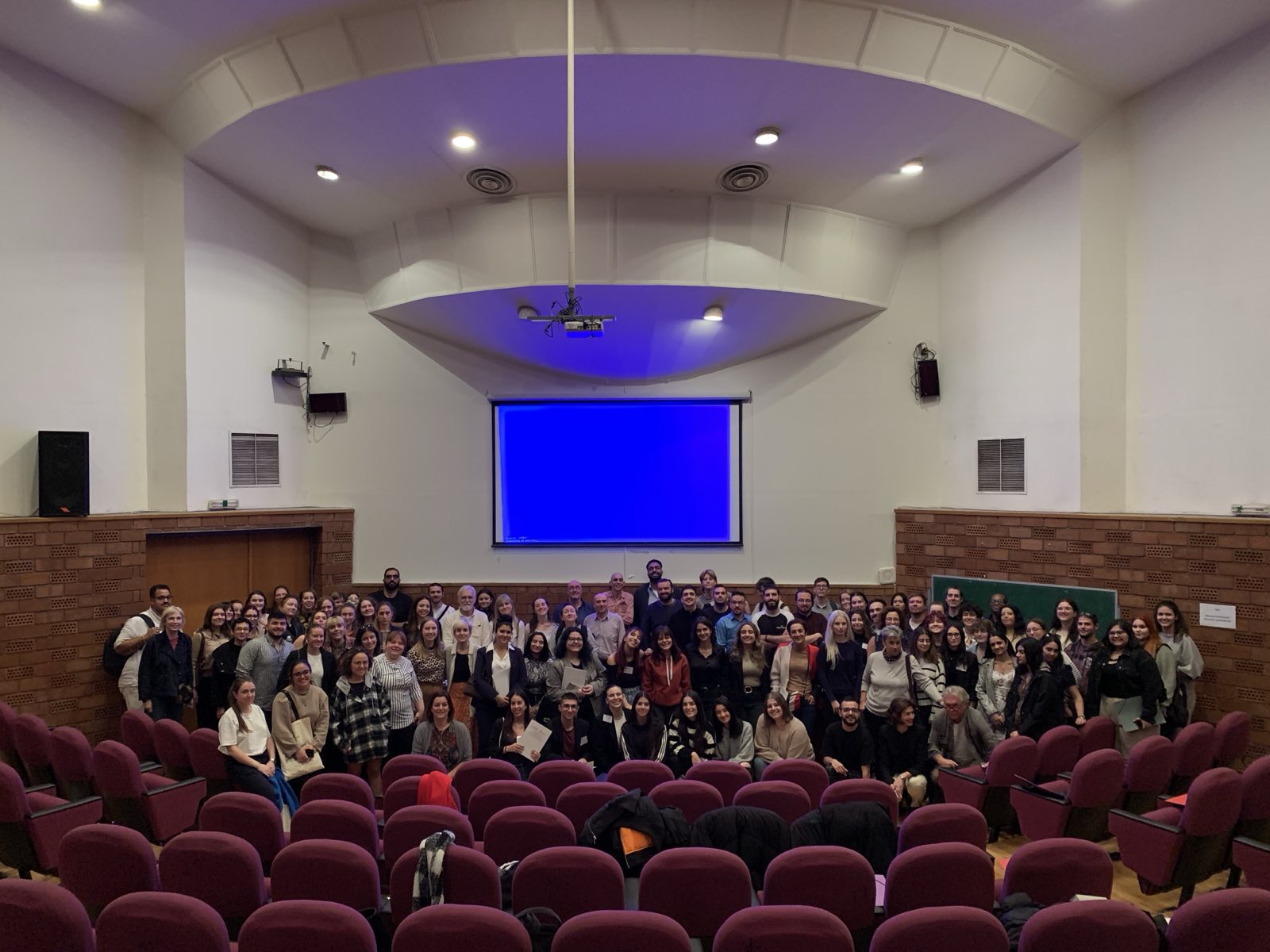
The fall Common Session 2023 –Erasmus PANTEION UNIVERSITY ATHENS -28 November – 1 December 2023
Theme: Critical Criminology, “New Criminologies” and Crimes of the powerful
We are already in the third decade of the 21st century and Criminology seems to be at a turning point: while the old grand theories continue to be used to explain the causes of crime by both paradigms, Neopositivist/ Neoclassical and Critical Criminology, managerial Criminology, “big data” and numbers’ “hard facts” are key factors fueling public policies against crime. Critical Criminology, for its part, is fragmented while its influence on public policies as well as in the academia is in decline: More than a decade ago, the criminological imagination, Jock Young’s “swan song”, has detected this turn.
In the meantime, a number of new perspectives have been developed in the field of Criminology (mainly since the beginning of the 21st century) which, without necessarilydefine themselves as “Critical”, the core issues they raise can only be explored through the lens of Critical Criminology, as at the center of these theories are various systems of power.
International criminology, transnational criminology, criminology of the South, criminology of war, border criminology, convict criminology, , green criminology, etc. are just some examples of the approaches that we call here “new criminologies“: in many cases they are not new paradigms, but they open the criminological research interests in fields that until recently had not been subjects of criminology.
However, the historical moment of our time is characterized by a broad rearrangement of the poles of power at planetary level, by the extreme expansion of neoliberalism, of the market economy and financial capitalism at all levels of public and private life. The financial crisis of 2008, the pandemic and the future crisis (which many analysts claim is coming) are side-effects of the current phase of capitalism, as they resolve the contradictions of the endless growth and expansion and accumulation of capital (see e.g. D. Harvey)., .
In this context, crime, as already claimed (e.g. Garland), continues to be part of everyday life, no longer only for “ordinary” people, but also for the “unusual” wealthy and the power groups: crime/ illegality became an everyday component of systems of power at government and financial and other levels of public life.
Therefore, the question of how the “new criminologies” stand in front of the crimes of the powerful, which characterize present day, is critical. At the same time, the relationship of the “new criminologies” with the different perspectives and theories of Critical Criminology (from feminist criminology, to left realism, to radical and cultural criminology, etc.) is also of great theoretical and research importance.
The forthcoming Common Session of the Criminal Justice and Critical Criminology network aspires to raise these issues and analyze them in the light of various topics and in relation to theory and research.
 Common Study Programme in Critical Criminology